Business owners are always looking for ways to reduce expenses. Did you know that the roof on your building may help you do so? As the temperatures start to rise in Indianapolis, your roof may be contributing to higher energy bills.
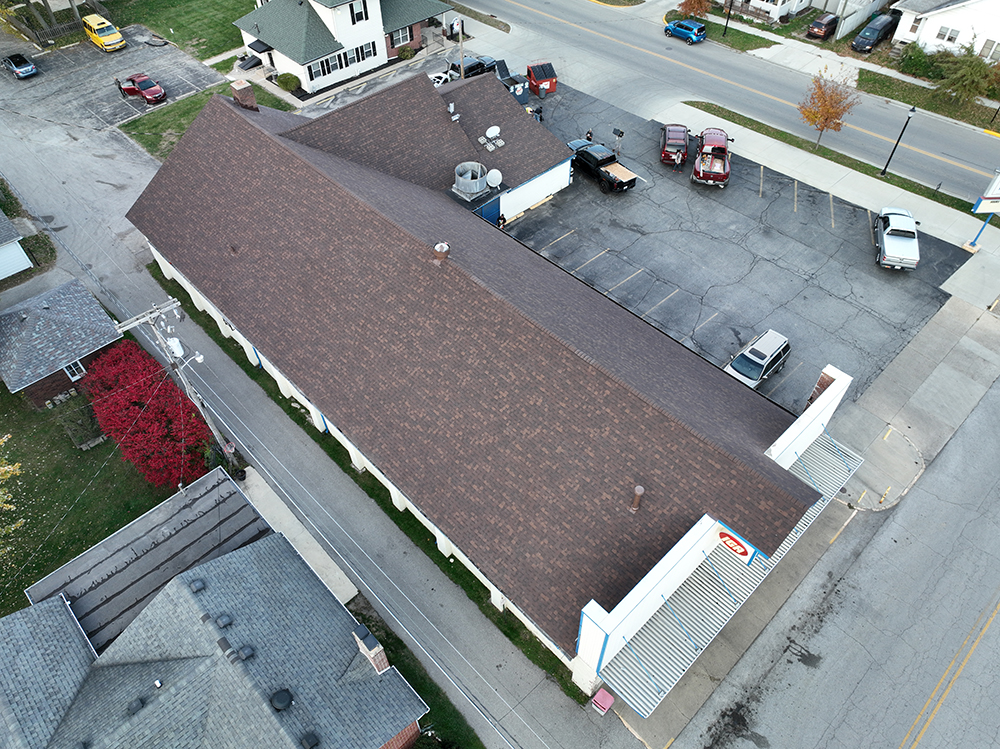
Your roof does more than keep rain out. It plays a major role in regulating indoor temperatures and can significantly affect how hard your cooling system works during Indiana’s hot summer months. Your roof is the largest surface on your building exposed to direct sunlight. On a hot July day in Indianapolis, a dark or aging roof can reach surface temperatures of 150°F or higher, heating up your building and forcing your HVAC system to work overtime just to keep up.
The good news? The right roofing system can help reduce heat absorption, improve building efficiency, and potentially lower cooling costs throughout the summer.
How Commercial Roofs Affect Summer Energy Costs
It comes down to a simple concept: heat absorption. Traditional dark-colored commercial roofing materials absorb 80–90% of solar energy and transfer much of that heat directly into your building. Your air conditioning then has to counteract that heat load — which shows up on your utility bill every single month throughout the summer.
Reflective and cool roofing systems work differently. Instead of absorbing solar energy, they reflect it back into the atmosphere. The result is a cooler roof surface, a cooler building interior, and significantly less demand on your HVAC system.
Roof insulation also plays a critical role. Even highly reflective roofing materials can lose efficiency if the underlying insulation has deteriorated or no longer meets current energy standards. It is important to evaluate both the roofing membrane and the insulation system beneath it.
Roofing Features That Improve Energy Efficiency
- Durable and weather-resistant, standing up well to Indiana’s freeze-thaw cycles and summer storms
- Lightweight, making it compatible with most existing commercial roof structures
- Weld-seamed, creating a watertight membrane that outperforms older systems in leak prevention
- Cost-competitive, offering one of the best performance-to-cost ratios in commercial roofing
- PVC roofing systems
- Reflective roof coatings
- Enhanced roof insulation upgrades
- Cool roof coatings for metal roofs
- Roof restoration systems
Reflective Roof Coatings: An Upgrade Without Full Replacement
If your current roof is in reasonable condition but lacks energy efficiency, a reflective roof coating may be the right solution. These elastomeric coatings are applied directly over your existing membrane and can dramatically improve solar reflectance at a fraction of the cost of a full replacement.
Many Indianapolis business owners use reflective coatings to extend the life of an aging roof by 10 years or more while capturing meaningful energy savings in the meantime.
What This Means for Your Bottom Line
Every commercial property is different, but reducing rooftop heat gain can lead to lower cooling costs, improved occupant comfort, and reduced wear on HVAC equipment. Over time, those savings can help offset a portion of the investment in an energy-efficient roofing system.
When you factor in available energy efficiency incentives and the extended roof lifespan that comes with modern roofing systems, the financial case becomes even stronger.
Frequently Asked Questions About Energy-Efficient Commercial Roofing
Does a white commercial roof really save energy?
Yes. Reflective roofing materials help reduce heat absorption, which can decrease cooling demand during the summer months.
How long does a TPO roof last?
With proper installation and maintenance, many TPO roofing systems last 20 to 30 years.
Can a roof coating improve energy efficiency?
A commercial roof inspection can identify heat-related issues, insulation deficiencies, and roofing materials that may be contributing to higher energy costs.
How do I know if my roof is costing me money?
A commercial roof inspection can identify heat-related issues, insulation deficiencies, and roofing materials that may be contributing to higher energy costs.
Is Your Roof Working Against You This Summer?
If your commercial roof is more than 10 years old, has a dark membrane, or hasn’t been inspected recently, now is the perfect time to evaluate its performance.
Contact 317 Roofing & Restorations for a free commercial roof assessment. We’ll identify potential issues, explain your options, and help you determine whether an energy-efficient upgrade could benefit your business.
Serving Indianapolis, Carmel, Fishers, Greenwood, and the surrounding Indianapolis area.