As winter transitions into spring in Indianapolis and Central Indiana, your roof experiences one of the most stressful times of the year.
Late February and March bring fluctuating temperatures, melting snow, freezing nights, heavy rain, and early spring windstorms. This constant freeze–thaw cycle can expose hidden weaknesses and turn minor winter wear into sudden roof leaks.
At 317 Roofing & Restorations, we often see an increase in emergency roof calls during this seasonal shift.
Why Late Winter & Early Spring Are High-Risk for Roof Damage
Indiana weather doesn’t change gently. Instead, we move quickly from snow and ice to rain and wind to warmer weather and then cold again — sometimes all in the same week.
Here is why this can be especially hard on your roof:
Freeze–Thaw Cycles
During the day, snow melts. At night, temperatures drop below freezing. Water expands as it freezes, forcing its way into small cracks around shingles, flashing, and vents.
By March, those small cracks often become visible leaks.
Ice Dams Still Lingering
Even as temperatures warm, leftover ice dams can continue backing water under shingles — especially during cold nights followed by rainy days.
Early Spring Storms & Wind
March in Indianapolis often brings:
- Heavy rain
- 40–60 mph wind gusts
- Temperature swings
- Saturated ground conditions
If shingles were weakened over winter, spring winds are often what finally tear them loose.
Signs You Need Emergency Roof Repair
Call a professional immediately if you notice:
- Active dripping during rainstorms
- Ceiling stains expanding after snow melts
- Shingles in your yard after windy days
- Water spots appearing in attic
- Sagging or soft roof decking
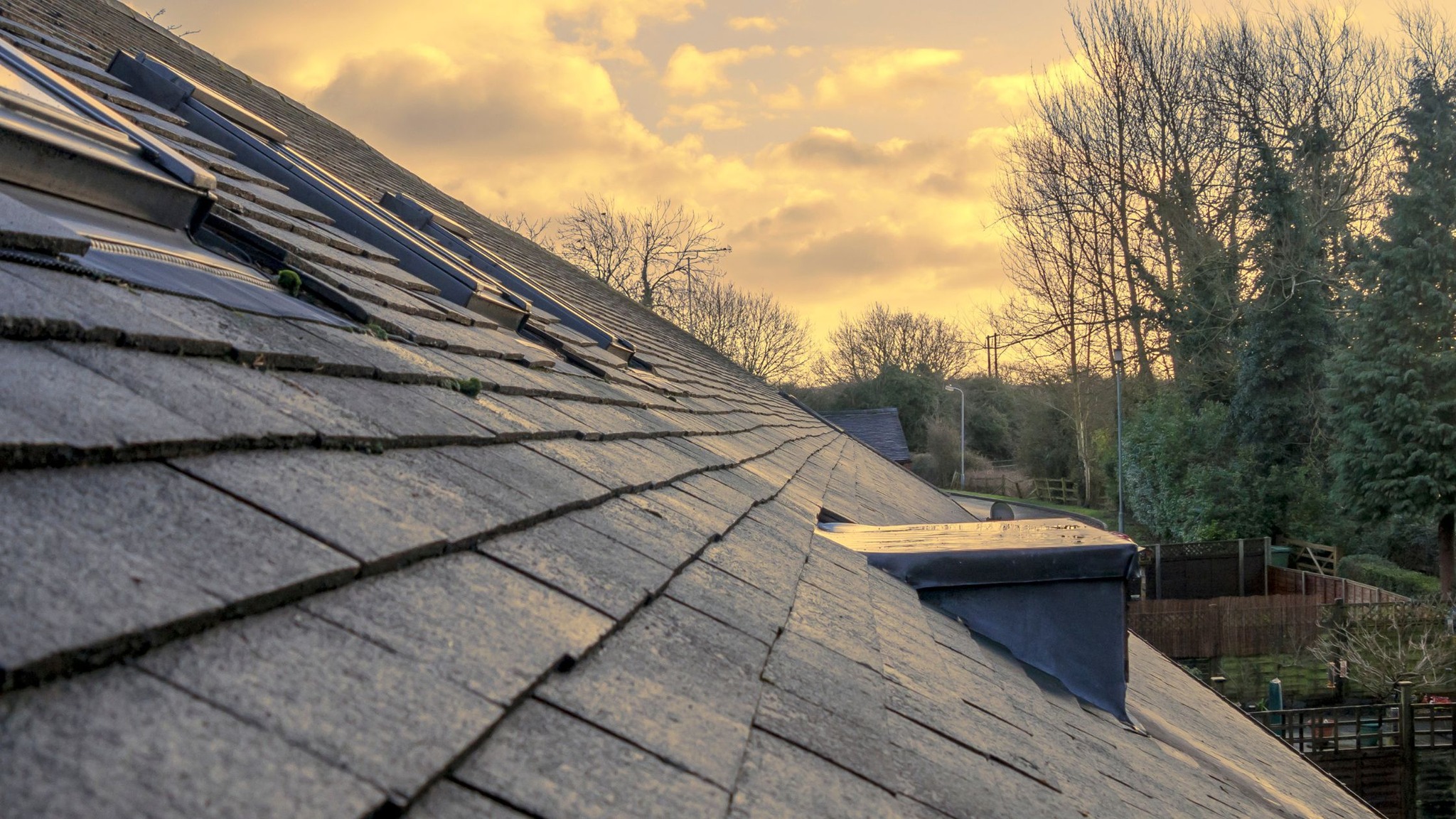
- Flashing pulled loose around chimneys or vents
This time of year, damage may not appear during snow — but once rain arrives, leaks become obvious fast.
What Can Wait (But Should Be Scheduled Soon)
Not every issue requires same-day emergency service. However, during the winter-to-spring transition, it’s smart to schedule inspection if you see:
- Minor staining that hasn’t spread
- Curling or lifting shingles
- Ice buildup that has recently melted
- Granules collecting in gutters
Catching these early can prevent major spring storm damage.
What NOT to Do During Late Winter Roof Issues
As temperatures fluctuate:
- Do not climb onto wet or icy roofing
- Do not attempt to break ice dams
- Do not ignore small leaks assuming they’ll dry out
- Do not delay repairs once rain begins
This is one of the most dangerous times for DIY roofing attempts due to slick conditions.
What Happens When You Call 317 Roofing & Restorations
When Indianapolis homeowners call us during late winter or early spring, we:
1. Perform a Thorough Inspection
We assess winter damage, flashing integrity, and storm impact areas.
2. Provide Immediate Mitigation if Needed
Emergency tarping or temporary sealing to stop active leaks.
3. Identify Underlying Freeze–Thaw Damage
We look beyond visible leaks to prevent recurring issues.
4. Create a Long-Term Repair Plan
Permanent repairs are completed once weather conditions allow.
As a locally owned roofing company serving Indianapolis, Greenwood, Carmel, Fishers, Westfield, Noblesville, Mooresville, Shelbyville, and Martinsville, we understand how Indiana’s seasonal shifts impact roofs differently than other regions.
If you’re experiencing active leaks or suspect winter damage is becoming a spring problem, don’t wait.
The transition from winter to spring is one of the most common times for sudden roof failures in Central Indiana.
📞 Contact 317 Roofing & Restorations today for emergency roof repair or to schedule a seasonal inspection before the next storm hits.